

Permits for waste removal on Brompton Road SW1X Knightsbridge
Posted on 17/08/2026

If you are arranging waste removal on Brompton Road SW1X Knightsbridge, permits can be the bit that turns a simple clearance into a smooth, well-timed job. Miss them, and you can end up with delays, parking problems, or a truck that has nowhere legal to stop. Get them right, and the whole process feels far more controlled, especially on a busy street where space is tight and schedules matter.
This guide breaks down what permits are, when they may be needed, how the process usually works, and what practical steps help you avoid last-minute stress. It is written for homeowners, landlords, tenants, managing agents, and businesses who need clear, plain-English advice without the fluff.
- Why permits matter on Brompton Road
- How the permit process works
- Benefits of getting permits organised early
- Who needs a permit and when
- Step-by-step guidance
- Expert tips for fewer delays
- Common mistakes to avoid
- Tools, resources and recommendations
- Law, compliance and best practice
- Options and comparison
- Real-world example
- Practical checklist
- Conclusion
- Frequently asked questions
Why Permits for waste removal on Brompton Road SW1X Knightsbridge Matters
Brompton Road sits in one of those parts of London where traffic, loading restrictions, resident access, and kerbside space all seem to compete at once. That is not drama; it is simply the reality of working in a prime central location. Waste removal may look straightforward from the outside, but the moment a van, skip, or bulky-load vehicle needs to stop, the practical questions start. Where can it wait? For how long? Is the bay available? Will the collection interfere with neighbours, shops, or deliveries?
That is where permits come in. In some cases, a permit or prior permission is needed to place a skip on the highway, reserve a loading bay, or carry out certain kinds of waste removal logistics. In others, the job may be possible without a formal permit, but only if the vehicle can stop legally and safely. The exact requirement depends on the method, location, and timing. Truth be told, that is why people sometimes get caught out: they focus on the rubbish itself and forget the road space around it.
On a street like Brompton Road, even a short delay can ripple outward. A missed slot might mean an extra day's hire, a parking fine, or a collection missed during a tight access window. For local residents, especially those in townhouses or converted buildings, the costs are not just financial. They are also about time, inconvenience, and the awkwardness of having half a clearance waiting outside while everyone else is trying to get on with their day.
To be fair, this is not only about compliance. It is about keeping the job efficient. If you have ever watched a crew trying to manoeuvre a vehicle through a narrow central London street at 8:30 in the morning, you will know exactly why planning matters. A few minutes of admin can save a lot of chaos.
How Permits for waste removal on Brompton Road SW1X Knightsbridge Works
The word "permit" can mean slightly different things depending on the waste removal method. That is where confusion starts, so let us separate the main scenarios.
First, skip permits. If a skip is placed on a public road rather than private land, it generally needs permission from the relevant authority. That is because the road is shared space, and placing a container on it affects traffic, pedestrians, visibility, and access.
Second, bay suspensions or parking permissions. If a waste vehicle needs to use a resident bay, pay-and-display bay, or loading area for a clearance, permission may be needed to reserve or use that space. Not every booking needs this, but it is common on streets where stopping is tightly controlled.
Third, access planning rather than a formal permit. Some waste clearances do not require a permit, but still need careful planning. For example, if the vehicle can stop on private forecourt space, within a managed property, or in a service yard, there may be no permit issue at all. Nice and simple, if the access works.
In practice, a good provider will ask a few key questions before the day of collection:
- Will the waste be loaded from a driveway, frontage, or road space?
- Is the property on a controlled parking zone or loading-restricted stretch?
- Is the item volume small enough for a quick hand-load, or does it need a larger vehicle or skip?
- Are there access problems such as basement steps, concierge arrangements, or narrow entrances?
- Does the job involve commercial waste, domestic rubbish, or construction debris?
Those questions matter because the answer determines whether the arrangement is a straightforward collection, a planned clearance with a reserved stopping point, or a more formal roadside placement requiring permission.
For readers comparing their options, it may help to look at the wider context of local services too, especially the broader services overview and the company's notes on insurance and safety. Those pages are useful if you are trying to understand how the practical side of removal ties into safe handling and legal awareness.
Key Benefits and Practical Advantages
Getting permit planning right brings more than just peace of mind. It improves the whole flow of the job. In a place like Knightsbridge, where access can be awkward and timing can be unforgiving, those gains are real.
- Fewer delays: once access is planned, the team can arrive, load, and move on without circling for space.
- Lower risk of fines or enforcement issues: using road space properly is far better than hoping for the best.
- Better neighbour relations: nobody enjoys a truck blocking a frontage longer than necessary.
- More accurate scheduling: once the permit or access route is clear, collection windows become more reliable.
- Cleaner cost control: a well-planned job is less likely to pick up avoidable extras.
There is also a quieter benefit: confidence. When a clearance is properly organised, you are not spending the morning texting back and forth about where the van can stop. You already know. That sounds small, but it changes the mood of the entire day.
If you are also thinking about disposal routes for bulky items, the article on bulky rubbish booking in Knightsbridge is a practical companion read. And for people trying to avoid awkward surprises in the final bill, how to avoid hidden rubbish removal fees is especially worth a look.
Who This Is For and When It Makes Sense
Not every waste removal on Brompton Road needs a permit, but plenty do benefit from one. The real question is less "Do I own a permit?" and more "Will this job use public space, restricted access, or a controlled bay?"
This is typically relevant for:
- Homeowners clearing out a flat, maisonette, or townhouse with limited frontage space
- Landlords and letting agents arranging end-of-tenancy clearances between occupancies
- Businesses removing office furniture, stock waste, or refurbishment debris
- Developers and contractors managing builder's waste or renovation materials
- Property managers coordinating collections around concierge rules and resident access
It also makes sense if your property is one of those deceptively awkward ones. You know the kind: the entrance looks fine from the street, then you realise the stairwell is narrow, the lift is tiny, and the skip cannot go anywhere near the pavement. That is usually the moment the permit conversation begins.
If the job is domestic and modest, you may only need a quick collection plan rather than formal road permission. If it is larger, or if the waste needs to sit on the road even briefly, then checking the rules early is simply the sensible move. There is no prize for improvising with a loading bay on a busy London morning.
For property owners and buyers in the area, local logistics often go hand in hand with the kind of planning discussed in the Knightsbridge home buying guide and the piece on the pros and cons of living in Knightsbridge. These may seem like different topics, but they overlap more than people expect once you start dealing with access, turnover, and property maintenance.
Step-by-Step Guidance
Here is the most practical way to approach permits for waste removal on Brompton Road SW1X Knightsbridge without getting lost in the weeds.
- Identify the waste type. Domestic rubbish, bulky furniture, garden waste, office clearance material, and construction waste can all need slightly different handling.
- Check where the vehicle or container will sit. Private land is simpler. Public road space is where permission questions usually begin.
- Confirm access restrictions. Look for resident bays, loading restrictions, yellow lines, narrow frontages, or concierge-controlled entry.
- Decide whether the job is a collection or a staged clearance. A simple same-day load-out may avoid permit needs. A longer job may not.
- Speak to the provider early. Give them the postcode, street, access notes, and any timing constraints. The more boring detail you provide, the better. Honestly, that helps.
- Allow time for permissions. Some arrangements can be sorted quickly, but not every access issue can be fixed at the last minute.
- Keep the site ready. Clear internal routes, separate items by type if asked, and avoid leaving everything for the final ten minutes.
A small but useful habit is to take photos of the access point before booking. You would be surprised how often a quick picture of the frontage, kerb, or entrance answers questions much faster than a long phone call. It is one of those low-effort habits that saves hassle later.
If your clearance involves difficult access, you may also find the local guide to difficult-access rubbish removal for Brompton Road townhouses genuinely helpful, because access problems are often the hidden reason permits become necessary in the first place.
Expert Tips for Better Results
After a while, you spot the same patterns. The jobs that go smoothly usually have one thing in common: someone thought about the road, not just the waste. That is the difference between a tidy clearance and a stressful one.
- Book earlier than you think you need to. If the job depends on a parking bay or roadside space, do not leave it to the afternoon before.
- Build in a buffer. Central London traffic has a personality of its own. It does what it wants.
- Separate awkward items first. Fridges, mattresses, broken furniture, and mixed builders' waste often slow the job down.
- Clarify whether labour is included. A permit alone does not remove the need for enough hands on site.
- Check building rules as well as road rules. A permit can solve the street side and still leave you with a concierge or management issue.
One thing people often forget: the most efficient collection is not always the cheapest-looking one on paper, but it is often the cheapest in real life. Why? Because avoiding failed access, waiting time, and rescheduling has value. Simple as that.
For a broader understanding of the service side, the page on rubbish collection in Knightsbridge can help you see how collections differ from full clearances, while waste clearance in Knightsbridge is useful if you need a more complete removal approach rather than a one-off pickup.

Common Mistakes to Avoid
Most permit-related problems are not dramatic. They are just inconvenient. But those little mistakes can snowball quickly.
- Assuming the road space is automatically available. On Brompton Road, that is rarely a safe assumption.
- Booking before checking access restrictions. A van arriving without a legal stopping point can turn into a costly wait.
- Ignoring loading windows. Some areas are stricter than they first appear, especially during busy daytime periods.
- Not factoring in building management rules. A permit does not override every internal policy.
- Underestimating the amount of waste. If it spills beyond the expected volume, the access plan may need changing.
Another common mistake is failing to distinguish between a vehicle access issue and a disposal issue. Those are related, but they are not the same. You can have a perfect disposal plan and still be stuck if the truck cannot stop legally. That sounds obvious, yet it catches people out all the time.
For anyone dealing with leftover items from a move or refurb, the guide to same-day rubbish clearance delays is a useful reality check. Same-day is great when it works. When it doesn't, access is usually part of the story.
Tools, Resources and Recommendations
You do not need a stack of specialist software to organise a clearance, but a few practical tools make the process much easier.
- A phone camera: photos of the frontage, entrance, and waste pile save a surprising amount of time.
- A simple item list: a rough note of what needs removing helps the team gauge vehicle size and labour needs.
- Access notes: lift size, stairs, concierge hours, parking restrictions, and any building rules.
- A preferred time window: if the road is calmer at a certain hour, say so early.
- Clear payment and booking information: this helps avoid confusion on the day.
It is also worth reviewing pages that explain how the company works in general, especially pricing and quotes and payment and security. That does not solve a permit problem directly, but it helps you understand the commercial side before you commit.
And if sustainability matters to you, as it should for most people these days, the company's recycling and sustainability page is a good companion read. It is one thing to remove waste; it is another to remove it responsibly.
Law, Compliance, Standards, or Best Practice
Because this topic touches road use, waste handling, and local access, compliance matters. The exact rules depend on the type of waste, where it is placed, and how it is collected. It is sensible to treat permit questions as part of a wider duty of care rather than a box-ticking exercise.
In general terms, best practice includes:
- Using lawful stopping or placement arrangements
- Keeping public highways clear unless permission has been obtained
- Making sure waste is handled by a properly arranged service
- Planning for safe loading and pedestrian access
- Checking the site for any property-specific restrictions before the booking date
If your project involves builders' waste, you should be even more cautious. Renovation materials, rubble, timber, plasterboard, and mixed construction debris often require tighter planning than ordinary household rubbish. The page on builders' waste disposal in Knightsbridge is a sensible next stop if that sounds like your situation.
For general service credibility and operational trust, it can also help to read about us and terms and conditions. Those pages do not replace legal advice, of course, but they do show how the provider frames responsibility, process, and customer expectations.
Key takeaway: if waste removal touches public road space or shared access on Brompton Road, treat permission and planning as part of the job, not an afterthought.
Options, Methods, or Comparison Table
Different removal methods create different permit needs. Here is a simple comparison to help you decide what fits your situation.
| Method | Typical permit need | Best for | Main drawback |
|---|---|---|---|
| Kerbside collection from private frontage | Often none, if the vehicle stays on private land | Small to medium domestic clearances | Limited by access and frontage space |
| Roadside loading from restricted street space | May need parking or stopping permission | Properties with no driveway or forecourt | More planning and tighter time windows |
| Skip on public highway | Usually requires formal permission | Projects with ongoing waste accumulation | Requires placement management and safety controls |
| Private-land skip or container | Usually no road permit if fully off the highway | Buildings with secure or spacious access | Only practical where there is enough room |
| Managed clearance via a professional team | Depends on access route and stopping point | Busy households, landlords, offices, and refurb jobs | Still needs good access details upfront |
If you are weighing up service types, the pages for house clearance, office clearance, and furniture disposal can help you match the right method to the type of waste. They are especially useful if you are choosing between a more general clearance and a targeted removal.
Case Study or Real-World Example
Picture a straightforward but realistic scenario. A resident on Brompton Road is clearing a flat after a tenancy ends. There is a sofa, a broken desk, two mattresses, and a pile of mixed household bits that have been gathering for months. Nothing outrageous. But the building has no lift access, the entrance is narrow, and the street outside is busy most of the day.
At first glance, the job looks like a simple half-day clearance. Then the practical questions begin. Where can the vehicle stop? Is there enough room to carry items out safely? Will the team need to use the road, or can everything be moved from a side access point? Are there parking restrictions during the chosen window?
In this kind of case, the job often succeeds because the planning is done early. The provider reviews access photos, checks the timing, and decides whether a permit or stopping arrangement is needed. The result is usually calmer, quicker, and less expensive than trying to improvise on the day. Not glamorous, but effective.
It is a bit like trying to organise a dinner party in a Knightsbridge flat with one narrow stairwell and a sharp turn halfway down. Everything works fine until someone forgets the practical route. Then suddenly the sofa, or the table, or the recycling bags become the main event. Slightly ridiculous, but very real.
For readers dealing with access-sensitive properties, the article on rubbish removal on Brompton Road gives a good sense of how local logistics shape the day-to-day experience. And if your collection point is closer to the wider Knightsbridge retail corridor, the note on waste clearance in the Harrods area is also relevant.
Practical Checklist
Use this checklist before you book:
- Confirm the exact address and postcode: Brompton Road SW1X Knightsbridge
- List the main waste items and estimate the volume
- Check whether the waste will be loaded from private land or public road space
- Note any parking restrictions, loading windows, or bay controls
- Photograph the access route and frontage
- Ask whether a permit, parking arrangement, or bay suspension may be needed
- Check building management or concierge rules if relevant
- Clarify whether labour, loading time, and disposal are included
- Ask how delays are handled if the street is blocked
- Keep pathways clear on the day
- Separate any items that need special handling
- Make sure you know the booking window and contact process
If you are unsure about the scale of the job, it can help to compare it against a more specialised service such as loft clearance or garden waste removal. Those pages are useful reference points when the waste type is more specific than a general household clear-out.
Conclusion
Permits for waste removal on Brompton Road SW1X Knightsbridge are not something to leave until the last minute. On a busy central London street, the practical details matter: access, stopping space, timing, and whether the job touches public highway rules. Once you treat those as part of the plan, the clearance becomes far easier to manage.
The best approach is simple. Check the access, understand the waste type, confirm whether road space is involved, and give the provider enough detail to plan properly. That is how you avoid the awkward delays, the "we'll just try it and see" nonsense, and the kind of day that runs five minutes late and then somehow turns into two hours.
Get a free quote today and see how much you can save.
And if you are still weighing things up, take a breath. The right preparation usually makes this feel much less complicated than it first looks. A little planning goes a long way, especially here.
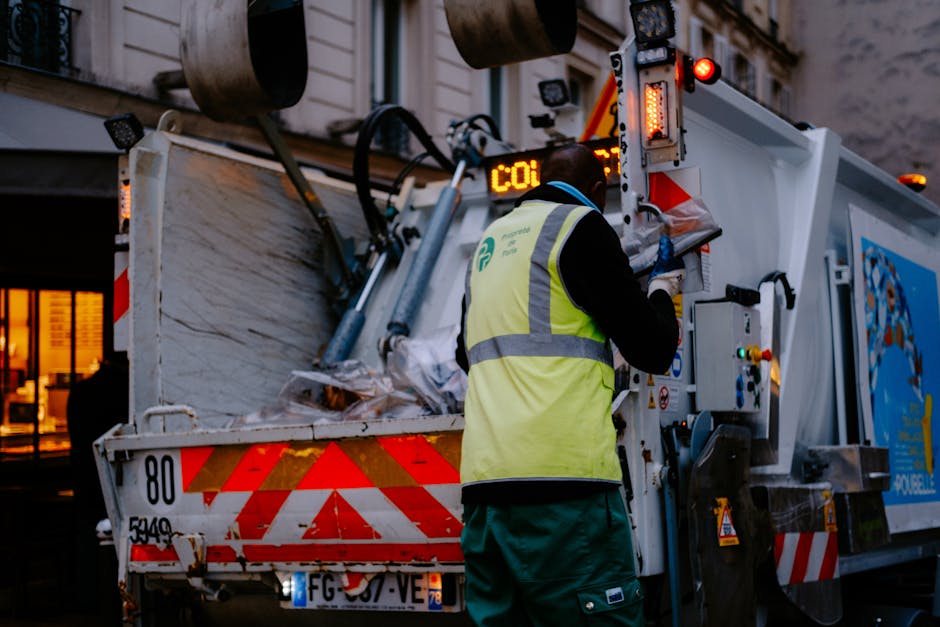
 Tipper Van - Rubbish Removal and Waste Collection Prices in Knightsbridge, SW1
 Luton Van - Rubbish Removal and Waste Collection Prices in Knightsbridge, SW1

